From Drought Payouts to Stronger Trade Systems: How HoA DRIVE Somalia Is Transforming the Livestock Economy
At a June mission in Nairobi, project partners reviewed drought protection, livestock finance and the systems being built for safer, more reliable trade.
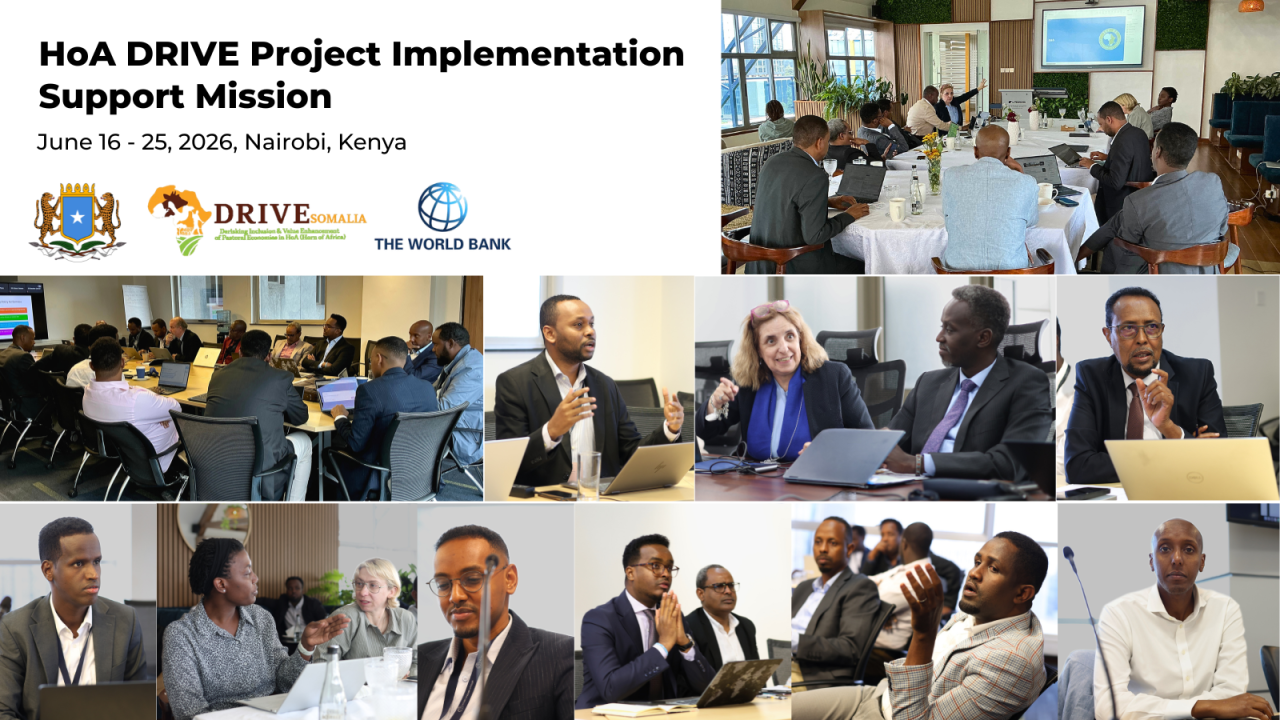
The World Bank Group Implementation Support Mission for HoA DRIVE Somalia concluded in Nairobi last week following a series of technical sessions led by Somalia Task Team Leader Sonia Plaza.
Bringing together Somali government institutions, the World Bank and project partners, the mission focused on turning key reforms into working systems for livestock trade, quality infrastructure and climate resilience.
The mission came just months after HoA DRIVE Somalia’s largest drought insurance payout to date: US$3.88 million disbursed to 17,734 pastoralists under the Index-Based Livestock Takaful program. The payout showed the system working as designed: money reaching drought-hit households when they need it most.
A connected route to market
Under the Ministry of Livestock, Forestry and Range, the project made significant progress on unified electronic veterinary certification system, now entering acquisition, alongside preparations for the first pilot of SOMLITS, Somalia’s livestock traceability system.
At the Ministry of Commerce and Industry, the National Single Window forms another key part of the same trade architecture. While these may appear as separate investments, they are designed to function as one integrated system: identifying and tracing animals, certifying their health, and enabling trusted documentation to move seamlessly across agencies and borders.
Customs modernization also featured during the mission. Through support for Somalia’s re-engagement with the World Customs Organization and trade policy studies, the project is strengthening trade facilitation and preparing Somalia for deeper regional integration.
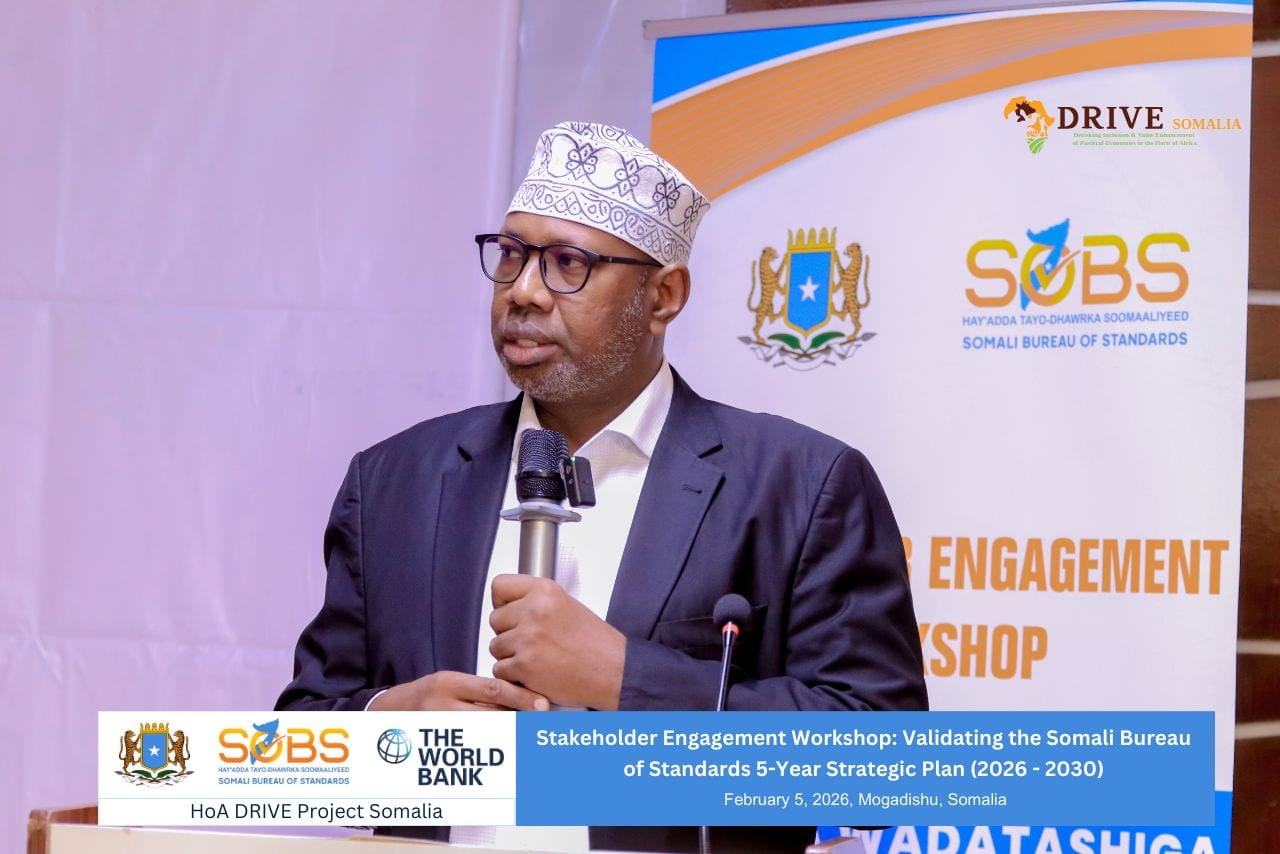
With the project support, the Somali Bureau of Standards has completed the feasibility study for the National Quality Control Reference Laboratory and is moving into equipment procurement, alongside quality management reforms aimed at achieving ISO 9001 certification.
The mission also spent time on livestock trade compliance bottlenecks. Somalia’s eight export quarantine stations handle around 4.2 million head of livestock each year, the final checkpoint before an export trade worth nearly US$1 billion annually. The Ministry is now moving to formalize audits and oversight arrangements for the country’s export quarantine stations.
Finance and reform priorities
On the finance side of the value chain, DRIVE’s Livestock Value Chain Fund has now onboarded 12 participating banks and microfinance institutions, disbursing nearly USD 1.75 million to 13 businesses.
Policy reforms are also advancing. The Rules of Origin Act is advancing toward cabinet, work on competition and consumer protection framework is moving into drafting stage, and the draft National Food Safety Policy is being consolidated into a unified national framework covering livestock, agriculture, fisheries and health.
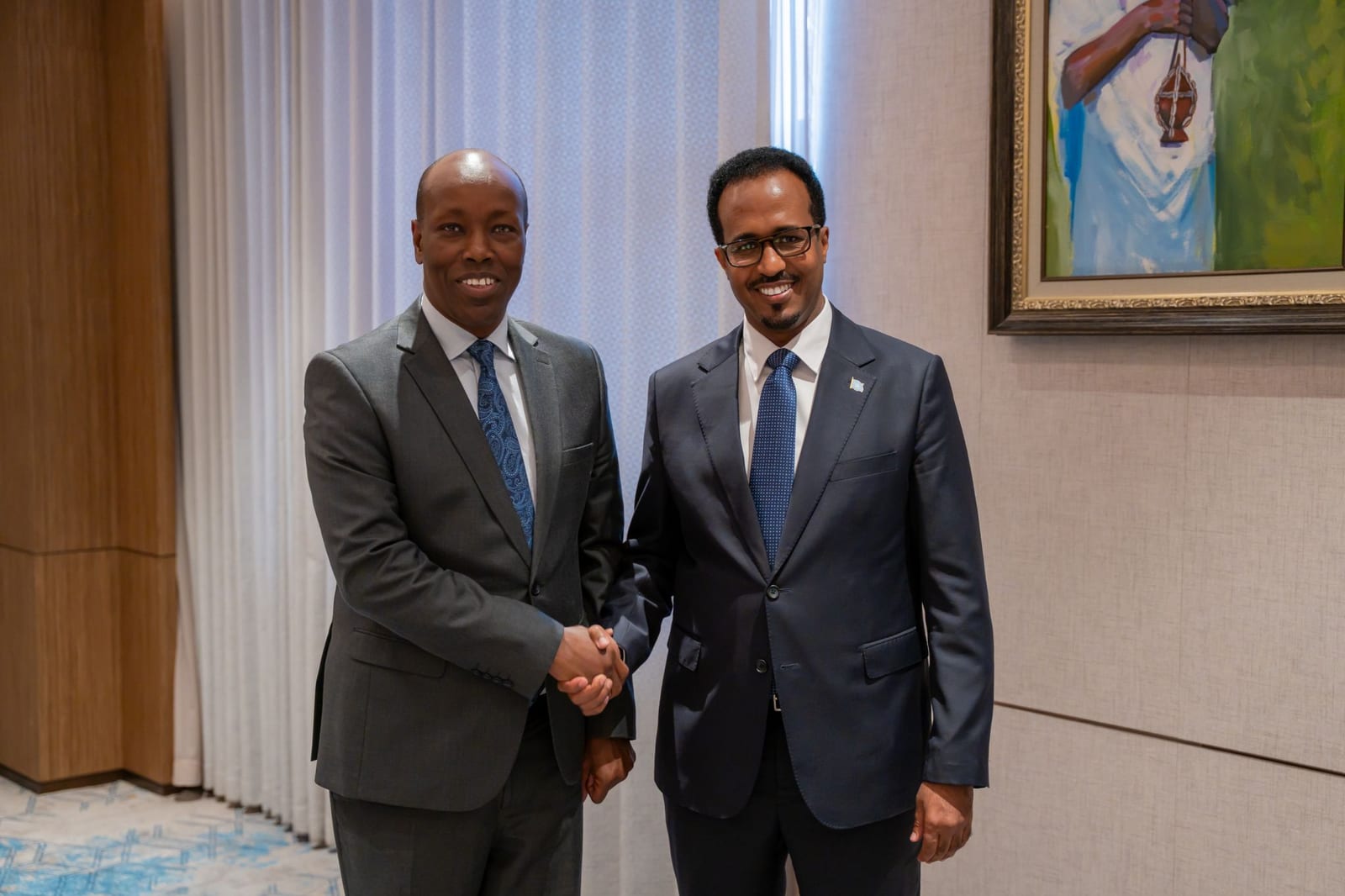
The mission also facilitated two key engagements. A Somalia–Kenya bilateral meeting pushed forward next steps from the Simplified Trade Regime study ahead of the Horn of Africa Initiative Trade Ministers Meeting in September. A learning visit to the Competition Authority of Kenya gave the Somali delegation practical insights as Somalia develops its own competition framework.
The mission showed that HoA DRIVE Somalia is delivering: cash to drought-affected pastoralists, capital to livestock businesses, and long-delayed trade and quality reforms now moving into implementation. Somalia’s pastoral economy is not just recovering. It is becoming more resilient, competitive, and better connected to regional markets.